
Blog
The Evolution of Luxury Watches: From Tradition to Modern Innovation

Luxury watches have always symbolized prestige, craftsmanship, and timeless sophistication. Over the decades, they have evolved from traditional mechanical masterpieces to high-tech modern timepieces, adapting to changing lifestyles, innovations, and design philosophies. Today’s luxury watch industry blends heritage craftsmanship with cutting-edge technology, creating a fascinating balance between tradition and innovation.
This blog explores the remarkable evolution of luxury watches, major milestones in watchmaking history, and how modern designs continue to shape the future of horology. You’ll also learn about premium AAA-quality watches that offer the elegance and feel of luxury timepieces at an accessible price.
1. Introduction to Luxury Watches
Luxury watches have undergone a transformative journey. In the past, they were regarded purely as mechanical works of art, created by skilled watchmakers. Every timepiece represented hours—or sometimes months—of manual labor, precision engineering, and aesthetic craftsmanship.
As technology advanced, watches began to incorporate:
- Quartz movements
- Automatic winding mechanisms
- Water-resistant cases
- Sapphire crystal glass
- High-tech materials like titanium, ceramic, and carbon fiber
Today, luxury watches range from classic mechanical models to smart, feature-rich timepieces, yet the essence of watchmaking remains the same: precision, durability, and timeless design.
2. The Golden Age of Watchmaking
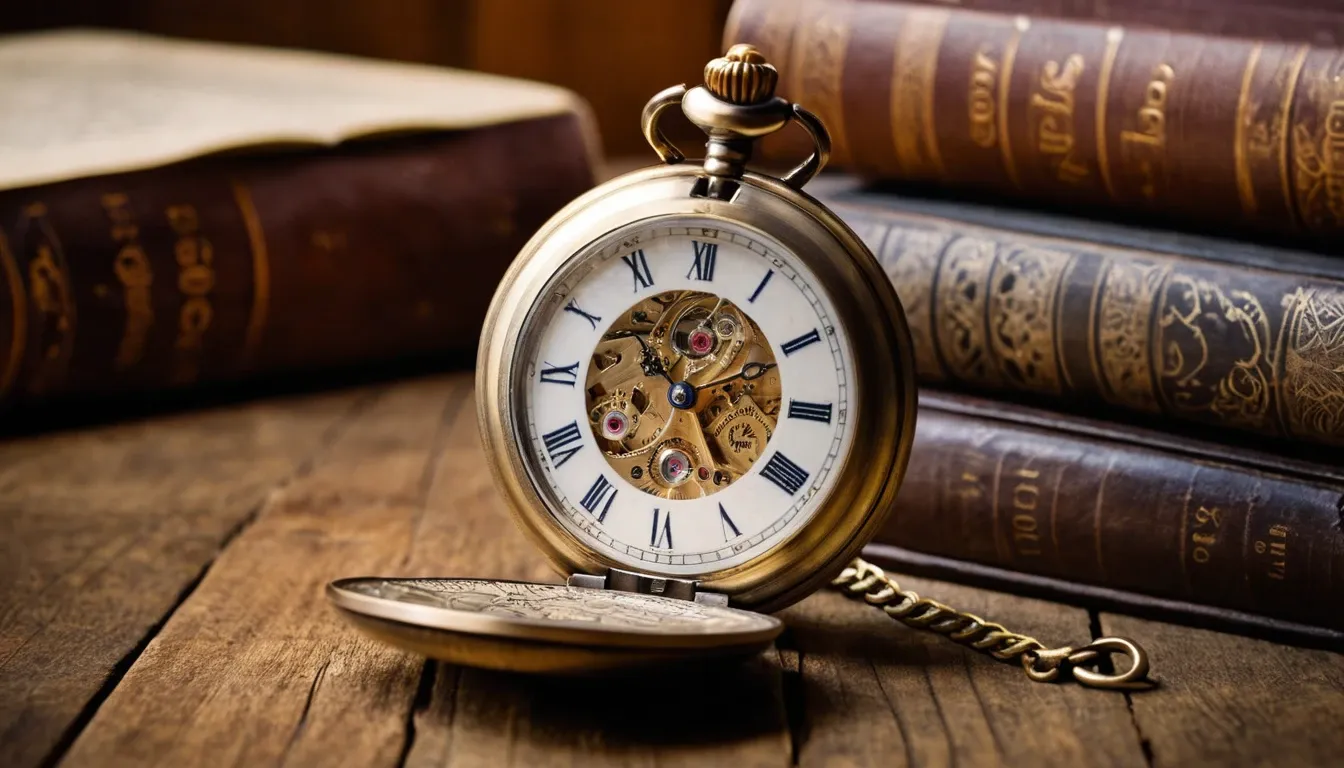
The Golden Age of Watchmaking occurred between the 18th and mid-20th centuries, a period when mechanical watches reached their peak in craftsmanship and complexity.
⭐ What Defined the Golden Age?
- Hand-crafted movements with hundreds of components
- Tourbillons, minute repeaters, and perpetual calendars
- Exquisite dial and case engraving
- The rise of legendary watchmakers:
- Patek Philippe
- Vacheron Constantin
- Audemars Piguet
- Omega
- Breguet
During this era, luxury watches were not just timekeeping instruments—they were artistic masterpieces passed down through generations.
3. Breakthroughs in Watch Technology
The watch industry began to innovate rapidly in the 20th century, introducing technologies that completely transformed watchmaking.
⚙️ Major Breakthroughs That Changed the Industry
Quartz Movement (1969)
The introduction of quartz technology created a revolution:
- Extremely accurate timekeeping
- Battery-powered instead of mechanical winding
- Became widely affordable
Water Resistance
In 1926, Rolex introduced the Oyster, the world’s first waterproof wristwatch, paving the way for:
- Diving watches
- Sports watches
- Everyday durability
Sapphire Crystal
Scratch-resistant and extremely durable, sapphire crystal became the standard for high-end watches.
Advanced Materials
Modern luxury watches now use:
- Titanium
- Ceramic
- Carbon fiber
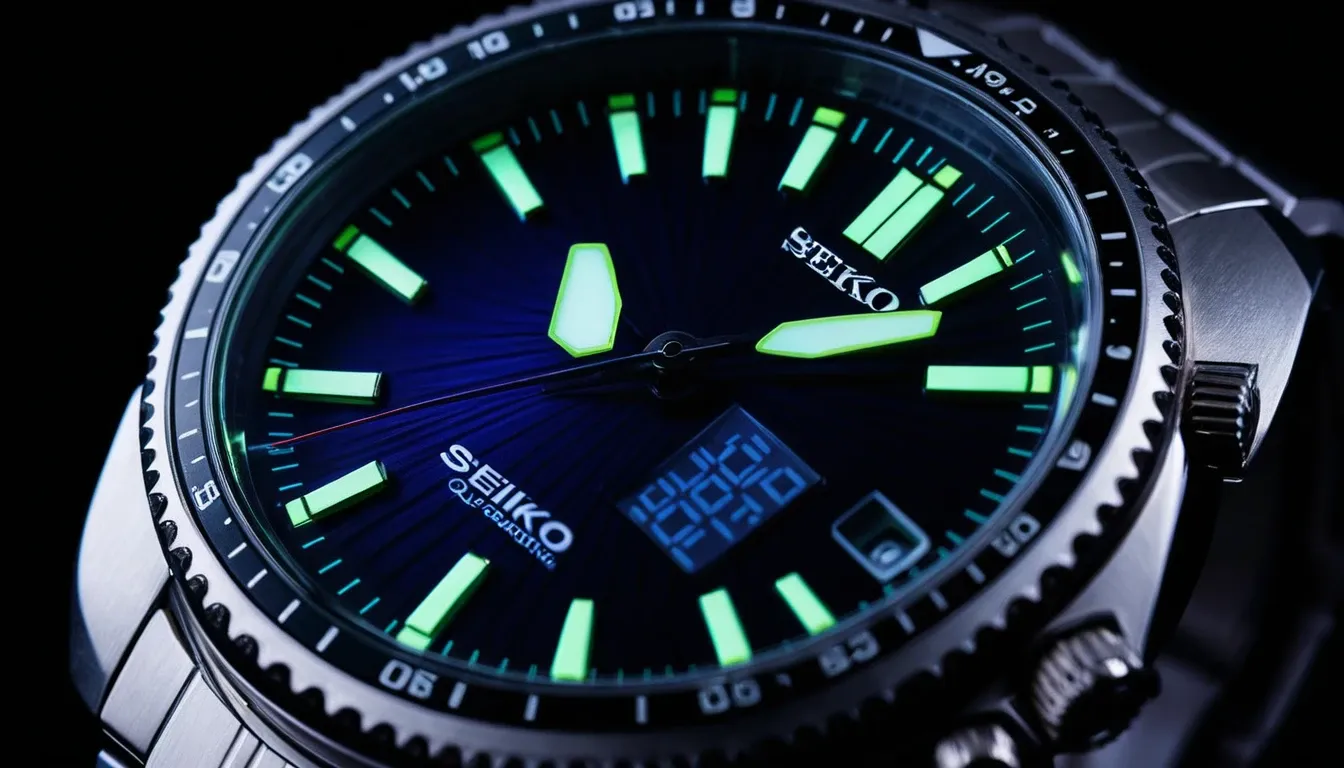
- Luminous compounds
- Anti-magnetic technology
These innovations made watches more durable, stylish, and functional than ever before.
4. Modern-Day Luxury Watches: Tradition Meets Technology
Today’s luxury watch industry is a beautiful blend of heritage craftsmanship and cutting-edge innovation.
🔥 Characteristics of Modern Luxury Watches
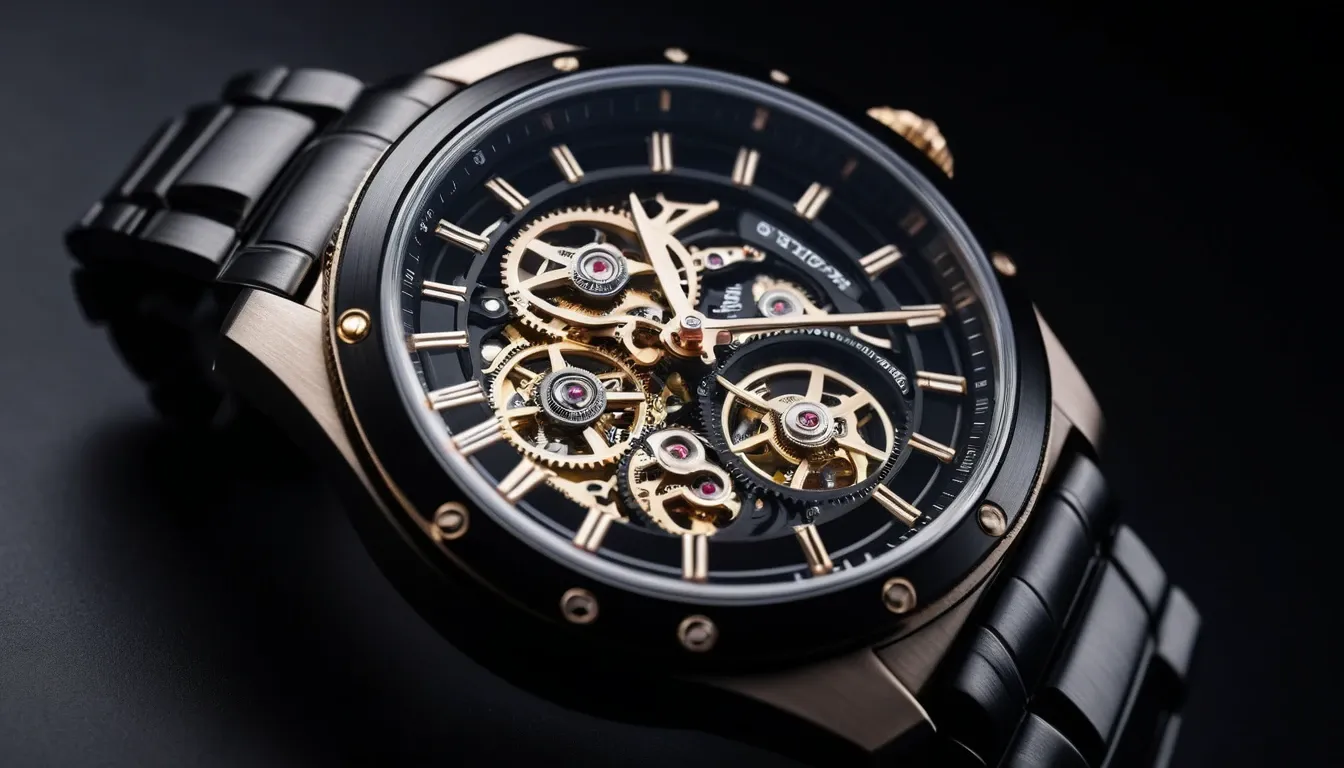
- Skeleton designs showing internal mechanisms
- Ultra-thin movements
- High-tech ceramic and carbon cases
- Smartwatch functionalities (health tracking, notifications)
- Improved water resistance
- Anti-shock and anti-magnetic technology
Brands like Rolex, Omega, Audemars Piguet, and Patek Philippe continue to refine classic models while introducing futuristic elements.
5. AAA-Quality Watches: Luxury Aesthetics at an Accessible Price
Not everyone can invest thousands—or even millions—into a luxury watch. That’s why AAA-quality watches have become extremely popular among watch enthusiasts.
⭐ What Are AAA-Quality Watches?
AAA-quality watches are made with:
- High-grade stainless steel
- Durable mineral or sapphire glass
- Reliable automatic or quartz movements
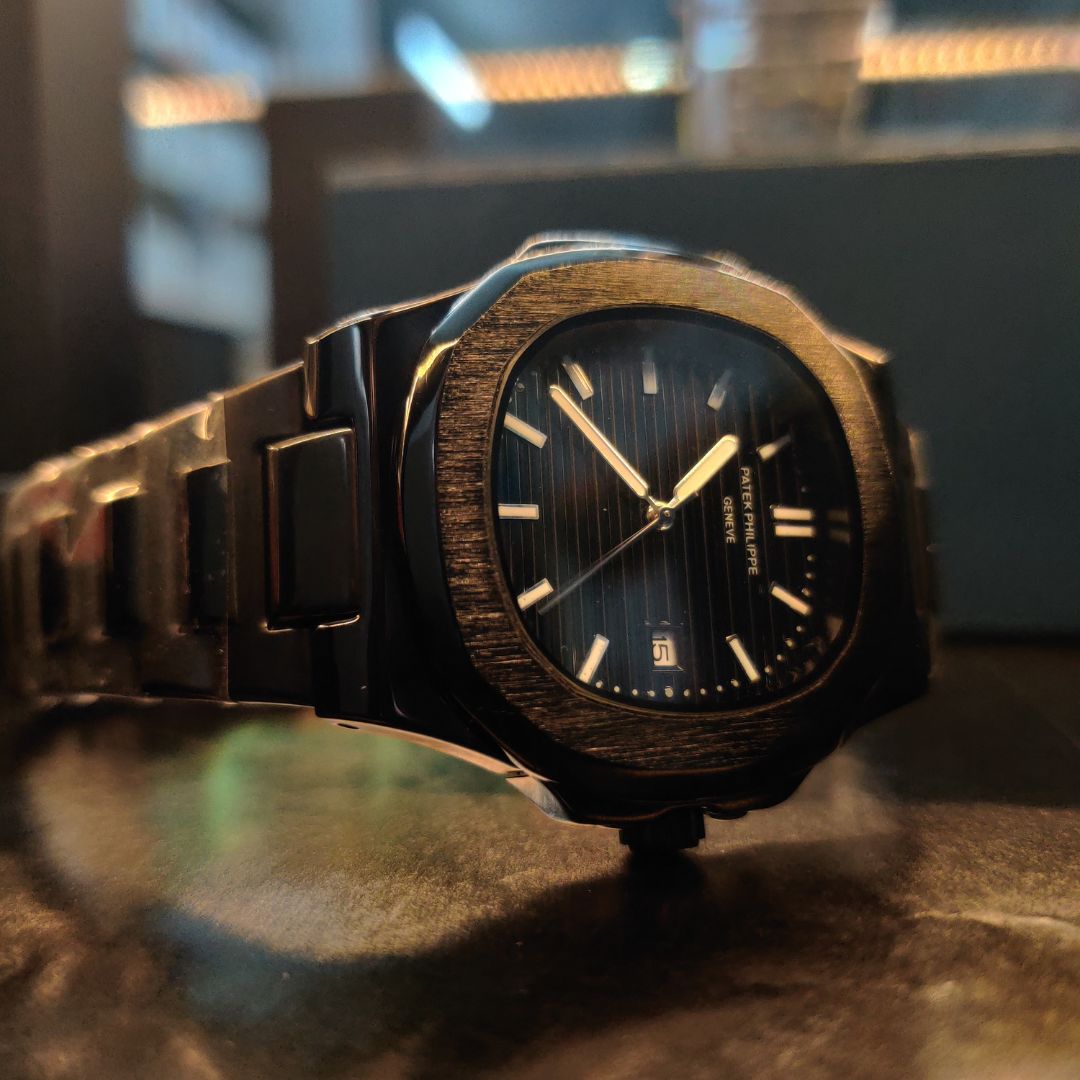
- Detailed craftsmanship that captures luxury styling
These timepieces deliver the feel, elegance, and design language of high-end watches—without the premium price tag.
Why People Prefer AAA-Quality Watches:
- Stylish and durable
- Affordable
- Great for gifting
- Suitable for daily use
- Scratch-resistant and long-lasting
Examples of Popular AAA-Quality Watch Styles:
- Classic sports watches
- Dive watches
- Dress watches
- Skeleton mechanical designs
- Minimalist modern watches
Conclusion
The evolution of luxury watches—from early mechanical designs to today’s modern innovations—shows how horology continues to transform while preserving its timeless charm. Whether you admire classic craftsmanship or embrace modern technology, luxury watches remain a symbol of style, precision, and personal identity.
For those who love luxury aesthetics without the high price, AAA-quality watches offer the perfect blend of beauty, durability, and affordability.
FAQs
1. What makes luxury watches special?
Their craftsmanship, precision, and historical significance set them apart from standard watches.
2. Are mechanical watches still relevant today?
Absolutely—mechanical watches remain highly valued for their artistry and engineering.
3. What are the benefits of AAA-quality watches?
They offer the appearance and feel of luxury watches while remaining budget-friendly and durable.
4. Do modern luxury watches still use mechanical movements?
Yes, many high-end brands still use mechanical and automatic movements alongside modern innovations.
5. Are AAA-quality watches durable?
Yes, high-quality AAA watches are made with strong materials like stainless steel and mineral or sapphire glass.